
Our Residential Support Models
Peak Support Services specializes in three types of residential support models: Host Homes, Supported Living, and Family Caregiver environments.

Host Home
A Host Home is a type of shared living arrangement where individuals with intellectual and developmental disabilities (I/DD) live with a caregiver or family, called a host home provider. The participant lives with a Host Home provider and their family, sharing daily life and making the home their sole residence. The host home provider offers a supportive living environment and assistance in completion of activities of daily living such as bathing, dressing, laundry, cooking, etc.
Supported Living
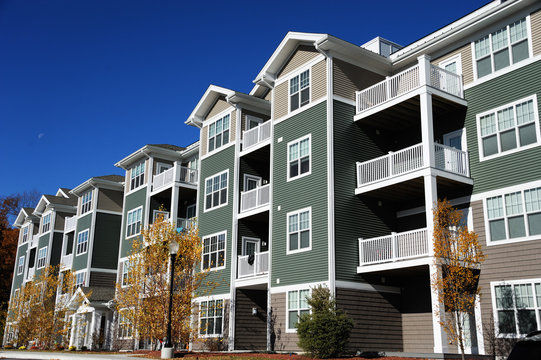
Supported Living supports people with I/DD living on their own, or with a small group, while being fully supported by staff or provider from a distance — meaning the provider does not live with them, but is regularly present and/or available to help with personal care, access into the community for medical appointments, transportation, mentorship, and independent living skills. Supported Living Services also provides money management and training.
Family Caregiver
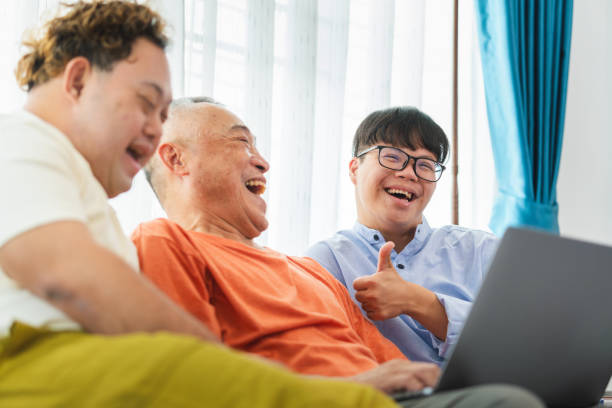
The Family Caregiver model is a service option that allows people with intellectual and developmental disabilities (I/DD) to receive services from family members in their home or other community settings. Family Caregiver Support Services plays an important role in keeping families together by providing much-needed support and respite to mothers, fathers, siblings, or any family or friend who are the primary caregiver(s) to the program participant.
Our Community-Based Services
In addition to residential support, Peak Support Services offers community-based programming designed to help individuals engage fully in the world around them.
Supported Community Connections (SCC)
The Supported Community Connections (SCC) program assists individuals that are 18 years of age or older to more fully participate in the mainstream of life, by providing meaningful access and engagement in their local communities. Through participation in diverse social and cultural activities, the SCC program fosters greater independence and confidence while fostering new relationships and developing important life skills.
With guidance and mentorship of our caring staff, individuals gain a greater sense of community integration while building social networks and increasing overall quality of life. SCC is delivered exclusively in integrated community settings through 1:1 and small-group activities shaped by each person's interests, goals, and preferences.
Typical SCC Activities Include:
- Volunteering at local food banks, animal shelters, or community gardens — builds purpose, contribution, and natural community connections.
- Exploring parks, trails, and outdoor recreation areas — encourages wellness, mobility, and confidence in navigating community spaces.
- Visiting museums, libraries, or cultural centers — supports learning, curiosity, and exposure to new interests.
- Participating in group social activities such as bowling, board games at a café, or attending community festivals and events.
- Joining community classes or workshops such as art classes, fitness sessions, cooking workshops, or other interest-based learning opportunities.